

Hotel development has always been a choreography of moving parts – but going into 2026, that choreography has become more complex, less predictable, and significantly higher-stakes.
- Brands want faster openings.
- Owners want tighter capex discipline.
- Guests expect elevated experiences.
- And supply chains… remain volatile, fragmented, and globally interdependent.
Today, the challenge isn’t just finding FF&E and OS&E.
It’s synchronising global sourcing with local construction deadlines in an environment where one missed shipment can cascade into operational and financial impact.
And the industry data makes the reality clear.
1. Global Sourcing Is Still a High-Risk Activity in 2026
Most hotel FF&E is manufactured in Asia. Renovation deadlines remain fixed. And the majority of delays that impact openings don’t happen onsite – they happen in production and transit.
Industry reporting outlines persistent issues with manufacturing lead times, port congestion, customs delays, freight volatility, and mis-sequenced deliveries. These conditions continue to drive major schedule risk for hotel projects
In many markets, shipping and production delays have become top contributors to renovation overruns, leading to:
- Delayed reopening
- Lost revenue
- Expedited freight costs
- Contractor downtime and rework
Every global sourcing decision now creates local timeline risk – and owners have become acutely aware of that connection.
2. Local Deadlines Aren’t Flexible – and ROI Pressure Is Increasing
Renovation performance is now measured well beyond handover. Owners and asset managers evaluate returns based on:
- Downtime reduction
- Revenue recapture
- ADR lift and RevPAR improvement
- Speed of performance stabilisation post-renovation
- Capex discipline and governance
Industry reporting shows owners are demanding more accountability for capex outcomes and more transparency in project planning.
Global delays don’t stay global. They translate immediately into lost nights, lost revenue, and delayed performance recovery.
3. Brand Standards Must Scale Globally – Even When Supply Chains Don’t
Major hotel groups are accelerating global rollouts of refreshed brand standards and conversion programs. Hilton, Marriott, Hyatt, and IHG continue to push design consistency, standardised FF&E, and rapid conversion cycles.
This creates the core challenge:
- Design consistency is global.
- Execution is local.
Supply chains must bridge the gap – or they break the project.
Where procurement cannot keep pace, brand launches slow, openings slip, and local contractors wait on product that should already be on-site.
4. Logistics Is Now One of the Top Development Risks
Supply chain disruptions are no longer background complications – they are one of the primary causes of:
- Budget overruns
- Missed opening dates
- Emergency re-sequencing
- Contractor inefficiency
Industry reporting confirms that supply-chain challenges (delayed containers, customs holds, incomplete OS&E, incorrect consolidation, staging failures, port congestion, and miscommunication) continue to add cost and time to hotel renovations.
These failures show up as:
- Delayed openings
- Lost revenue
- Increased labour and GC costs
- Rework
- Compressed installation timelines
- Owner and brand frustration
You can’t operate a hotel without furniture – and you can’t open on time if that furniture doesn’t arrive in sequence.
Conclusion
Hotel development now sits at the intersection of global procurement complexity and local execution pressure.
- Brands want consistency.
- Owners want ROI.
- Guests want elevated experiences.
And all of it depends on whether global sourcing can meet local construction deadlines.
Because in today’s hospitality environment:
Renovation ROI is created – or destroyed – in operational execution.
Conversions now represent a significant share of pipeline growth, creating pressure on procurement teams to execute quickly across multiple markets.
Explore More Insights:

September Sports Logistics Dispatch: Stay Ahead of the Season
From the NFL’s first regular-season game in Brazil to the World Athletics Championships in Tokyo and the Ryder Cup in New York, September is packed with high-stakes events. Inside this month’s Dispatch, you’ll find: [...]

EFM Delivers for Wimbledon and The Open
From the grass courts of SW19 to the iconic links of Royal Troon, EFM Global provided precision logistics support for two of the UK’s most prestigious sporting events: Wimbledon and The Open. Working [...]
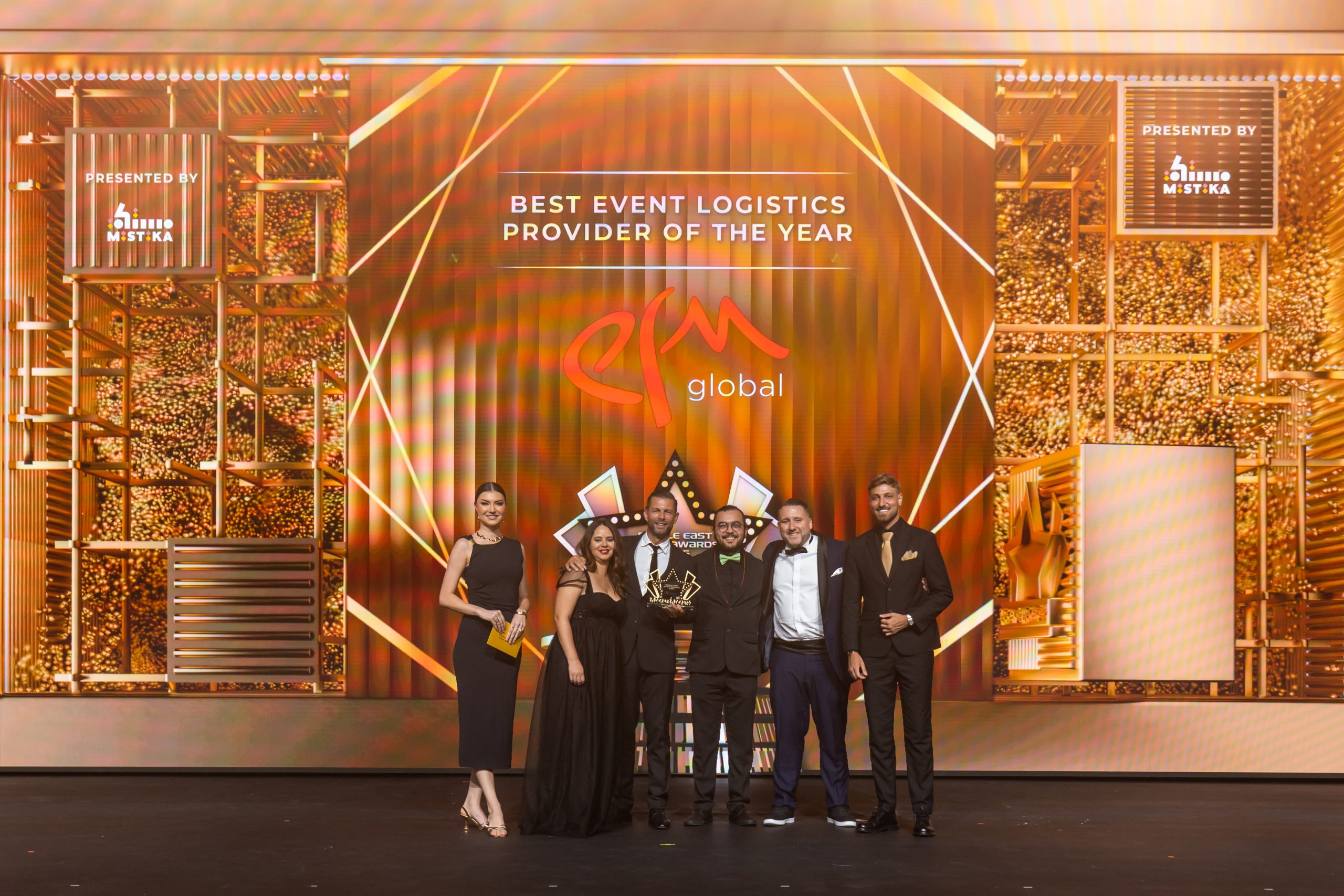
EFM Named Best Logistics Supplier at 2025 Middle East Event Awards for 2nd consecutive year
We’re proud to share that EFM Global has been named “Best Logistics Supplier” at the 2025 Middle East Event Awards, marking the second year in a row we’ve received this honour. The annual [...]
