

Hotel projects rarely fail because of poor ideas. They fail because design intent outpaces delivery reality.
In an industry that celebrates visuals, renderings, and brand storytelling, it’s easy to mistake early momentum for real progress. But many hotel delivery problems are locked in long before construction begins – embedded quietly in design decisions that ignore operational constraints.
The result? Beautiful concepts that struggle to materialise on time, on budget, or at scale.
The Illusion of Progress
Design phases create confidence. Boards approve concepts. Brands sign off. Owners feel momentum.
But design milestones are not delivery milestones.
When procurement, logistics, and operational sequencing aren’t fully integrated into early decisions, teams move forward with false certainty. Risks are deferred – not resolved.
By the time those risks surface, the cost of change is exponential.
Where the Breakdown Really Happens
Most delivery failures are not construction failures. They are coordination failures.
Common fault lines include:
- bespoke specifications that lengthen procurement timelines,
- materials selected without regard for availability or substitution risk,
- late value engineering that forces redesign and re-approval,
- disconnected incentives between designers, contractors, and operators.
Why This Problem Is Getting Worse
The gap between design and delivery is widening, not shrinking.
Key pressures include:
- global sourcing complexity,
- constrained FF&E manufacturing capacity,
- labour shortages across construction and fit-out,
- tighter brand standards layered onto volatile supply chains.
Ignoring that link is no longer viable.
What Operational Foundations Actually Look Like
Projects that deliver reliably do one thing differently: they treat delivery constraints as design inputs, not downstream problems.
That means:
- involving procurement and logistics early,
- stress-testing specifications against supply realities,
- aligning designers, operators, and delivery teams from the outset,
- evaluating design success not just on aesthetics, but on deliverability.
When operational foundations are strong, design becomes a multiplier – not a liability.
The Executive Takeaway
Great hotels are not designed into existence.
They are delivered through disciplined coordination.
In an environment of tighter margins and higher scrutiny, the winners will be those who close the gap between design ambition and execution capability – early, deliberately, and honestly.
Because in hotel development, beauty without delivery is just a risk.
Explore More Insights:

September Sports Logistics Dispatch: Stay Ahead of the Season
From the NFL’s first regular-season game in Brazil to the World Athletics Championships in Tokyo and the Ryder Cup in New York, September is packed with high-stakes events. Inside this month’s Dispatch, you’ll find: [...]

EFM Delivers for Wimbledon and The Open
From the grass courts of SW19 to the iconic links of Royal Troon, EFM Global provided precision logistics support for two of the UK’s most prestigious sporting events: Wimbledon and The Open. Working [...]
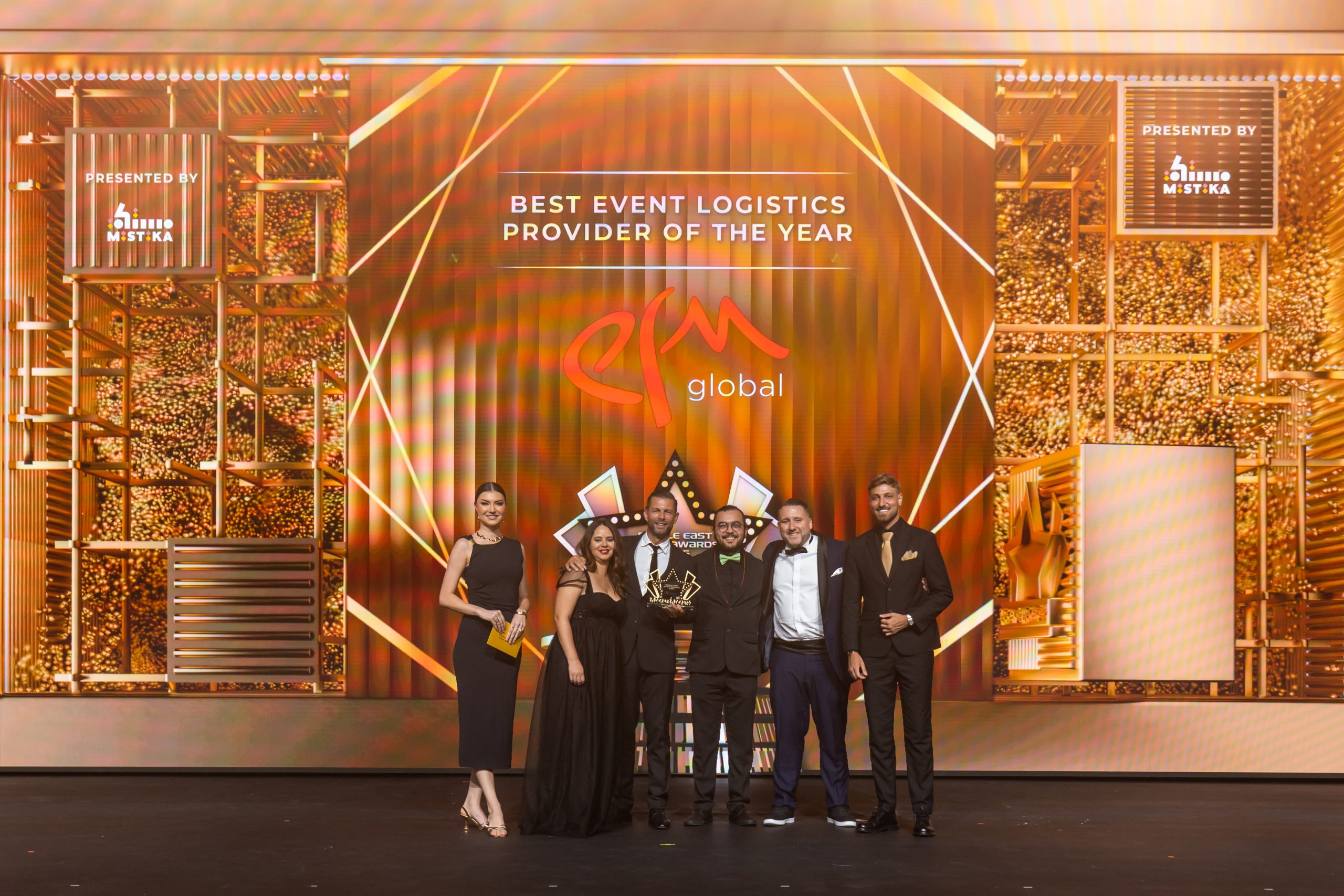
EFM Named Best Logistics Supplier at 2025 Middle East Event Awards for 2nd consecutive year
We’re proud to share that EFM Global has been named “Best Logistics Supplier” at the 2025 Middle East Event Awards, marking the second year in a row we’ve received this honour. The annual [...]
