

Major projects are being squeezed by something deeper than cost inflation or supply-chain disruption: regulatory lag.
Permitting cycles are lengthening, oversight is tightening, and approval timelines are becoming one of the biggest determinants of project feasibility.
This isn’t a short-term bottleneck – it’s a structural shift in how megaprojects get delivered.
1. Permitting Timelines Are Getting Longer, Not Shorter
Global evidence makes this clear:
- Academic research shows that environmental assessments, compliance reviews, and coordination across agencies significantly prolong infrastructure project delivery.
- A wide-ranging literature review by PMI found that regulatory processes are a top recurring cause of megaproject delays, especially in energy, transportation and public infrastructure.
- The UCL Bartlett School notes that permitting and early-stage decision-making create “systematic schedule slippage” across large capital programmes.
In short, permitting has become one of the most under-estimated drivers of megaproject failure.
2. Regulatory Expectations Are Expanding
Across infrastructure, energy, industrial, and defence sectors, governments are tightening:
- Environmental compliance
- Impact assessments
- Community consultation processes
- Supply-chain traceability requirements
- ESG reporting
- Safety frameworks
- Cross-border documentation
A recent study notes that “institutional and regulatory complexity is one of the strongest predictors of megaproject cost overruns.”
This means regulatory lag doesn’t just delay projects – it amplifies uncertainty and increases risk across every downstream activity.
- Permitting Delays Cause Cascading Operational Chaos
When permitting slows, the project plan doesn’t just shift – it unravels:
- Contractor schedules are disrupted
- Procurement sequences break
- Long-lead equipment misses windows
- Specialist labour capacity disappears
- Budgets inflate
- Political risk escalates
- Stakeholder tensions increase
Megaprojects are tightly choreographed. One regulatory slip can create months of knock-on disruption.
4. Logistics Becomes a Risk-Control Strategy, Not an Output
Permitting complexity affects logistics directly:
- Temporary staging sites must be secured longer
- Cross-border approvals require updated documentation
- Heavy-lift permissions must be renegotiated
- Long-lead equipment must be re-timed
- Multimodal flows must be re-sequenced
- Contingency routing becomes essential
This is why modern megaproject delivery treats logistics not as a transport function but as risk mitigation infrastructure.
Conclusion
The permitting crunch isn’t a bureaucratic nuisance – it’s a strategic constraint that reshapes entire project delivery models.
Winning teams in 2026 will:
- Plan permitting as a critical path activity
- Integrate logistics early into regulatory sequencing
- Create dynamic contingency plans
- Manage stakeholder timelines proactively
- Treat supply chain as a central risk domain
Because in megaprojects: Regulation determines feasibility, and logistics determines whether the project survives the delay.
Explore More Insights:

Touring Exhibitions: Moving Culture Across Borders
Exhibitions are more than displays; they are cultural milestones that connect audiences with history, art, and innovation. But taking an exhibition on the road means facing some of the most complex logistical challenges imaginable. [...]
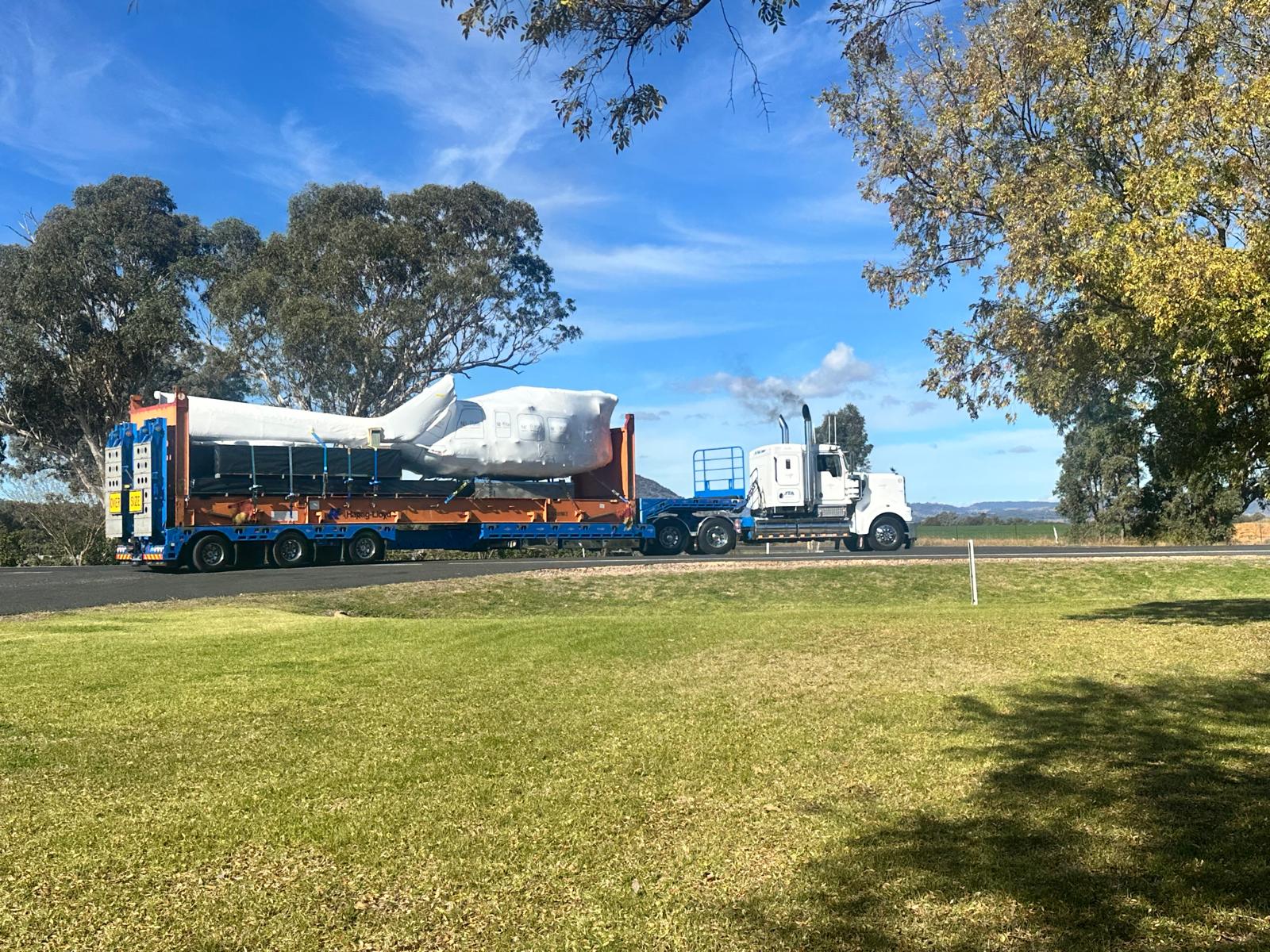
50 Metres of Visibility. 312km of Road. One Bell 412 Helicopter That Couldn’t Fly.
A six-ton aircraft, out-of-gauge clearances, and one narrow window to get it done, or miss the shipping deadline. At 3:00 AM, a low-loader left Sydney in darkness and thick fog, bound for a remote [...]
